A surveillance drone is only useful if it gets eyes on the right place, for long enough, and keeps working when conditions turn against it. These are the seven questions we ask with every defence, police and security customer before recommending a platform.
1. How far and how long do you need to see?
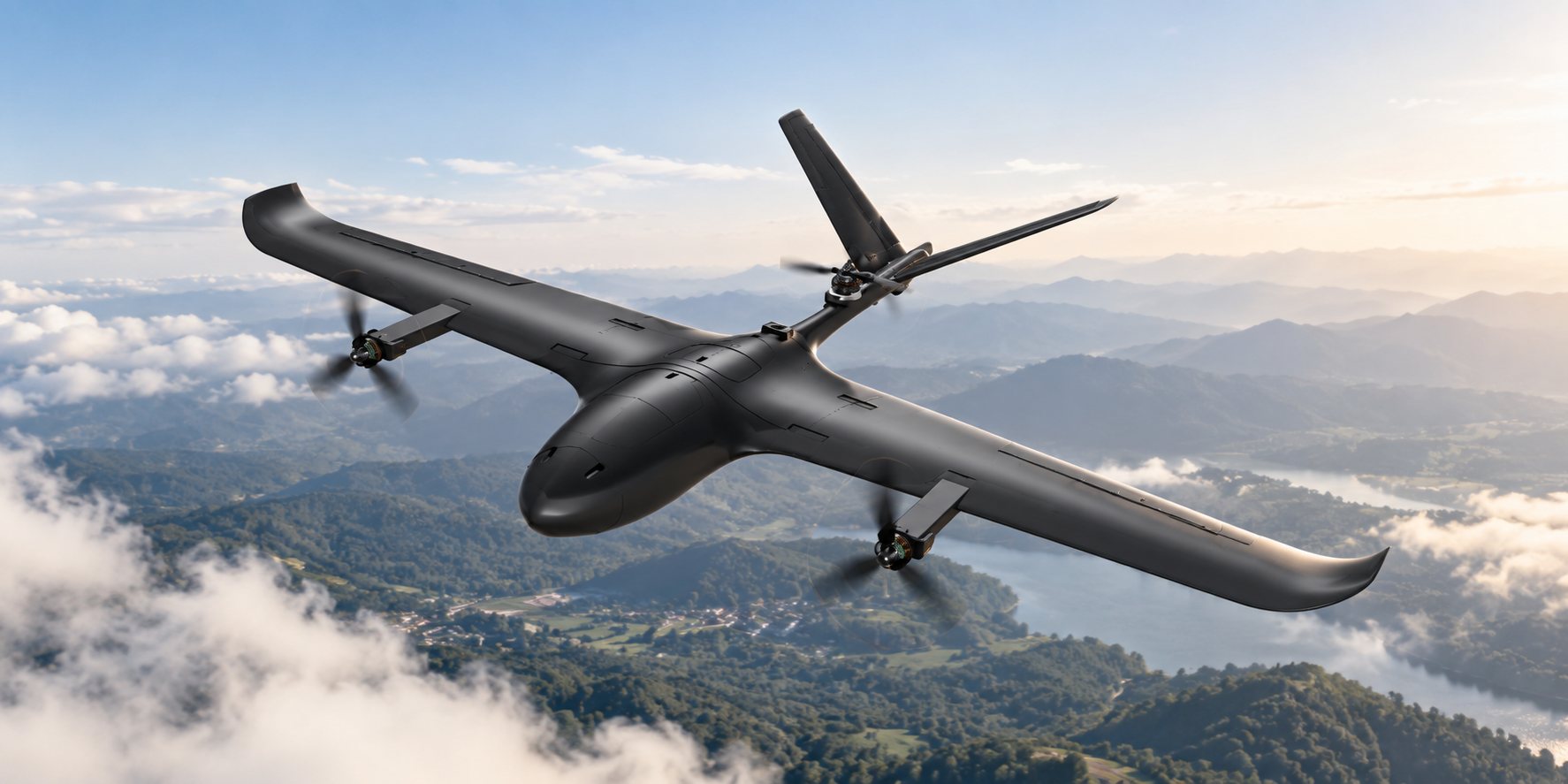
Start with the mission, not the drone. A perimeter check around a camp needs a few minutes over a short distance. A border or pipeline patrol needs range and endurance. Short, close-in tasks suit a multirotor; long patrols suit a VTOL fixed-wing UAV. Our guide to VTOL fixed-wing vs multirotor drones explains the trade-off.
2. What does the camera need to show?
Resolution matters, but so does stability and the ability to look where you need without moving the aircraft. A stabilised PTZ (pan-tilt-zoom) camera lets the operator follow a target while the drone holds position. For night work, check whether the payload supports thermal or low-light imaging.
3. Will it keep flying without GPS?
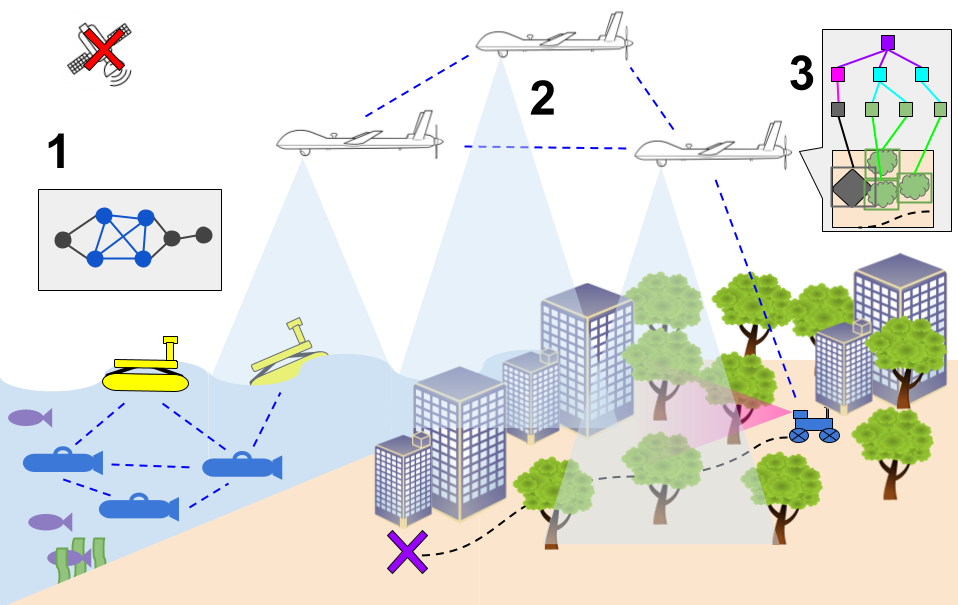
In contested areas GPS can be jammed or spoofed. A drone that depends entirely on satellite navigation can drift or be lost. Ask whether the platform supports GPS-denied navigation and how it behaves if the link is lost.
4. How quickly can a small team deploy it?
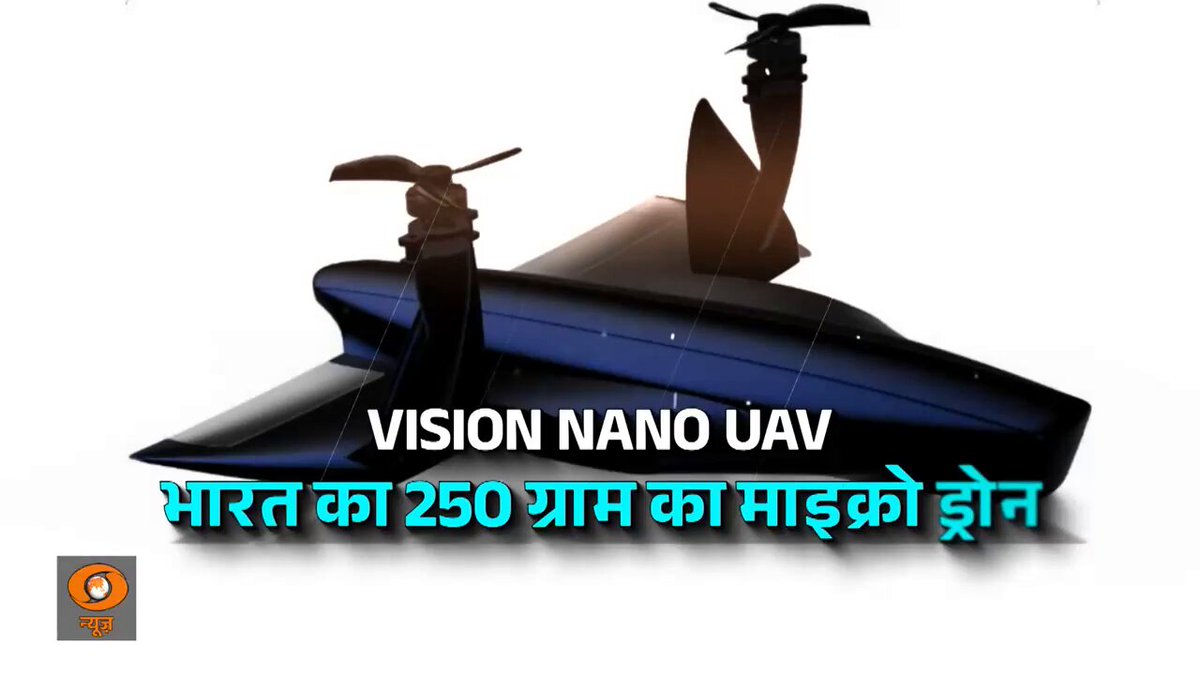
The best drone is the one that is in the air when it is needed. Weight, folding arms, set-up time and how many people it takes to launch all matter. A 250 g nano drone can be carried by one person for a quick look over a wall; a foldable quadcopter fits in a vehicle and is ready in minutes.
5. Where does your data go?
For defence and government users, video and telemetry are sensitive. Check where the flight controller firmware comes from, whether the ground software sends data to outside servers, and whether links are encrypted. Indigenous platforms, designed and supported in India, reduce dependence on foreign firmware and cloud services.
6. Can it be repaired in the field?
Drones get damaged. Ask how quickly spares can be sourced, whether modules can be swapped on site, and whether the manufacturer can support you directly rather than through an overseas supplier.
7. Who will fly it, and how will they train?
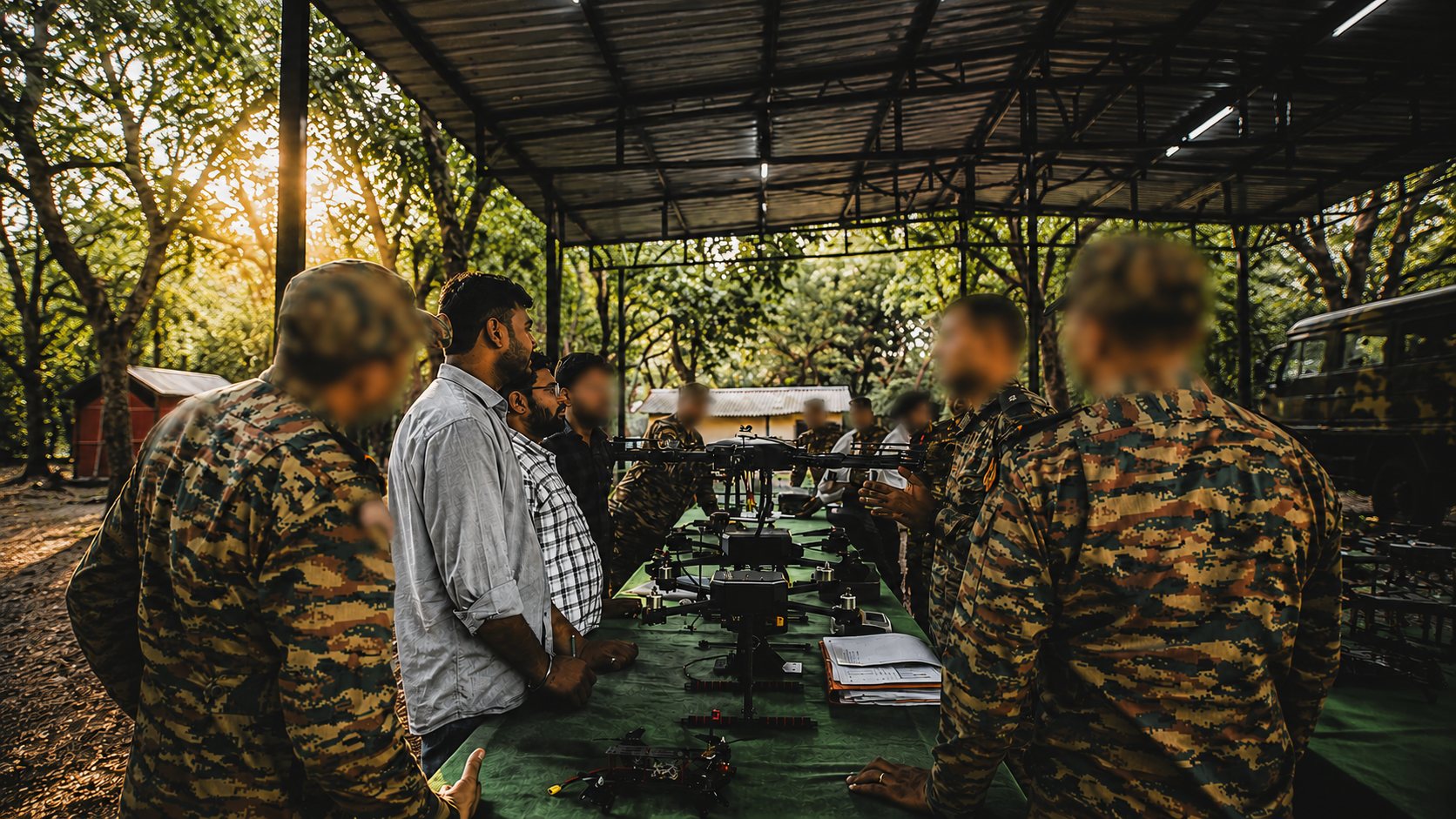
Operator skill decides how much value you get from any drone. Plan for pilot training from the start, ideally on a training platform before moving to the mission aircraft, and check the current DGCA drone rules for registration and pilot certification requirements.
Matching the drone to the job
| Mission | What to look for | In the Vision series |
|---|---|---|
| Close-range look, single operator | Very light, fast to launch | Vision Nano (250 g, 20 MP, 5 km) |
| Tactical surveillance | PTZ camera, GPS-denied navigation, foldable | Vision 2.0 (25 km range) |
| Wide-area patrol | Long range, no runway needed | Vision 3.0 (50 km, 45 min) |
| Heavy sensors, long hover | Payload capacity, redundant lift | Vision 4.0 (5 kg, 50 min) |
If you share your mission, area and team size, our engineers can recommend a configuration and arrange a demonstration. Browse all surveillance and defence drones.